

Author: Site Editor Publish Time: 2025-12-06 Origin: Site

We recently exported a batch of JET A-1 fuel tanker trailers to our a Tanzania client. Today, we will mainly introduce the characteristics of JET fuel and the design of tanker trailer used for its transportation.
I. Characteristics of JET A-1 Aviation Turbine Fuel
JET A-1 is the most commonly used fuel for aviation turbine engines worldwide. It is a refined kerosene fraction.
Flash Point: Above 38°C, classifying it as a relatively safer Class III flammable liquid (much safer compared to gasoline).
Freezing Point: Below -47°C, ensuring it remains fluid in low-temperature, high-altitude environments.
High Cleanliness Requirement: Even minute contamination by water, impurities, or microorganisms can cause serious harm to aircraft engines. Therefore, the transportation process must absolutely ensure product cleanliness and sealing.
Low Conductivity: Prone to static electricity buildup, requiring measures for electrostatic discharge.
Volatility: Lower than gasoline, but still possesses a certain degree of volatility.
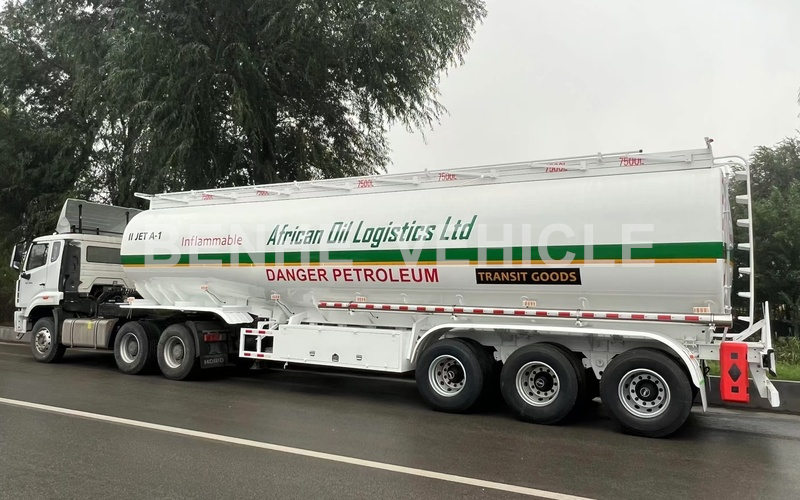
II. Design and Configuration of JET A-1 Tanker Semi Trailers
Tanker trailer for transporting JET A-1 is not ordinary tanker; It is mobile, precision storage and transportation container. The Jet A-1 tanker trailer main features are as follows:
1. Tank Material and Structure
Material: Usually the tanker is made of high-quality carbon steel, stainless steel, or aluminum alloy. The interior must undergo special anti-corrosion treatment (such as epoxy resin coating, galvanization, or special coating) to prevent rust and avoid contaminating the fuel.
Structure:
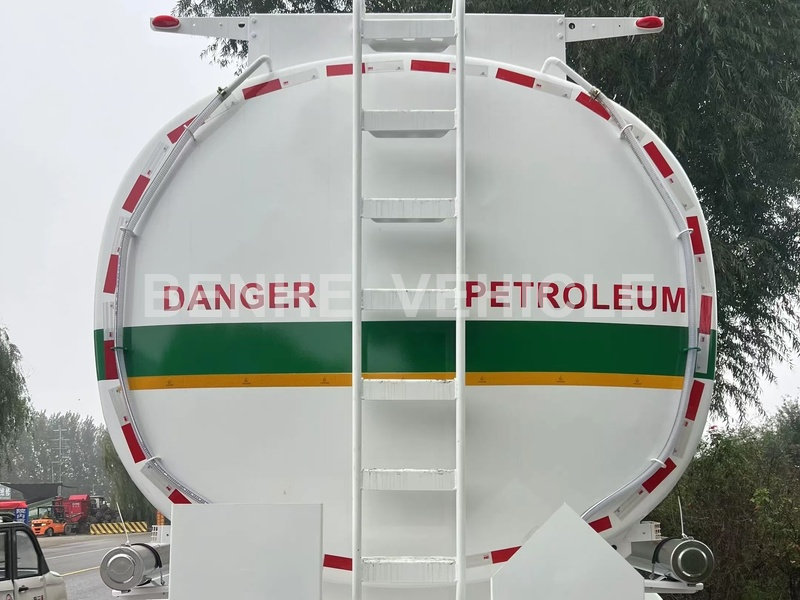
Oval or Circular Cross-Section: Minimizes dead space, facilitating complete unloading and cleaning.
Compartmentalized Design: Usually features multiple independent compartments (1-7 compartments), in order to transport different batches of fuel at the same time and to maintain the stability of the vehicle during operation. Each compartment has its own manhole, discharge valve, and vent valve.
Internal Baffles: Reduce liquid surge during transit, enhancing stability.
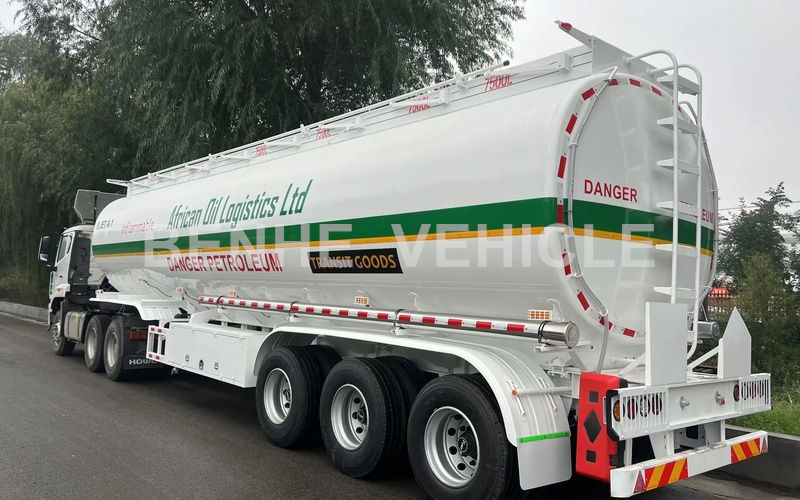
2. Main Systems and Components
Loading/Unloading System:
Bottom Loading/Unloading: This is the primary and standard method. It allows for quick connection to airport underground systems via API adapters at the tank bottom, enabling closed, safe, and efficient unloading. Compared to top loading, it can reduce vapor loss and contamination risk.
Submersible Pump or Self-Unloading System: The tanker is equipped with its own pump or uses pressure from the airport pipeline network to discharge the fuel.
Venting System:
Equipped with pressure/vacuum relief valves to balance internal and external pressure during loading/unloading and temperature changes, while preventing moisture and contaminants from entering.
Safety and Monitoring Systems:
Electrostatic Grounding System: Must be connected during loading/unloading operations.
Overfill Prevention System: Prevents overfilling during loading.
Liquid Level Gauge: High-precision level measurement instruments (e.g., magnetostrictive level gauges) for real-time monitoring of each compartment's volume.
Fire Extinguishers, Flame Arrestors, Safety Markings: Standard safety equipment.
III. Important Considerations
Dedicated Use: Tankers for JET A-1 are typically strictly prohibited from carrying other petroleum products (e.g., gasoline, diesel) to prevent cross-contamination.
Clean Transportation: The cleanliness requirement for JET A-1 aviation fuel transportation is far higher than for fuel oil, crude oil, etc.
Personnel Training: Operators must not only know how to drive but also understand the fuel's characteristics, safety procedures, and emergency response.
Tanker trailers for transporting JET A-1 aviation turbine fuel are essentially high-standard, high-cleanliness mobile pressure vessels equipped with multiple safety and control systems. Their core design revolves around the two principles of "safety" and "cleanliness" , ensuring the fuel's quality is maintained throughout the entire supply chain from the refinery to the aircraft's fuel tank. Their signature bottom loading/unloading system and strict cleaning and maintenance procedures are key factors that distinguish them from ordinary tanker trucks.
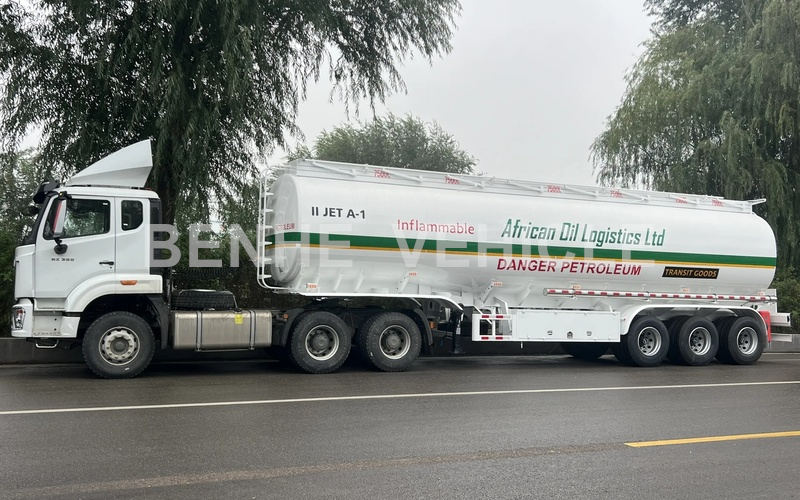
If you require such vehicles, please feel free to contact us Jinan Benhe Machinery Co., Ltd. (China Benhe Vehicle). We are very happy to answer your questions.


